Eugen Schüfftan
Known for
Cinematography
Born
July 21, 1893
Birthplace
Breslau, Silesia, Germany [now Wroclaw, Dolnoslaskie, Poland]
Died
September 6, 1977 (aged 84)
Biography
Eugen Schüfftan (21 July 1893, Breslau, Silesia, Germany, now Wroclaw, Poland – 6 September 1977, New York City) was a German Jewish cinematographer.
He invented the Schüfftan process, a special effects technique that employed mirrors to insert actors into miniature sets. One of the first uses of the process was for Metropolis (1927), directed by Fritz Lang. The technique was widely used throughout the first half of the 20th century until it was supplanted by the travelling matte and bluescreen techniques.
Schüfftan won the 1962 Academy Award for Best Cinematography, Black-and-White for his work on the film The Hustler.
From Wikipedia.
Best known work
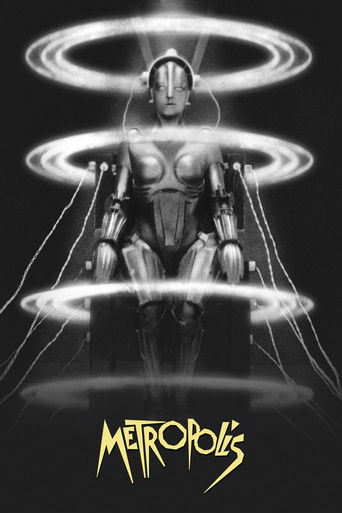
Metropolis
1927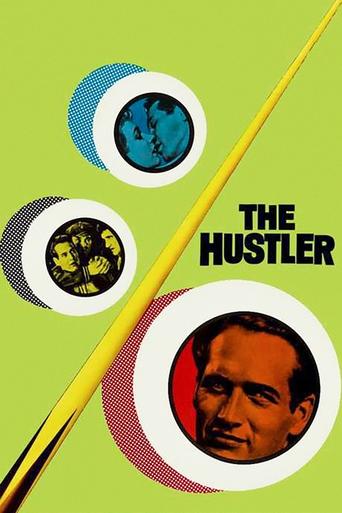
The Hustler
1961
Eyes Without a Face
1960
Port of Shadows
1938
Ulysses
1954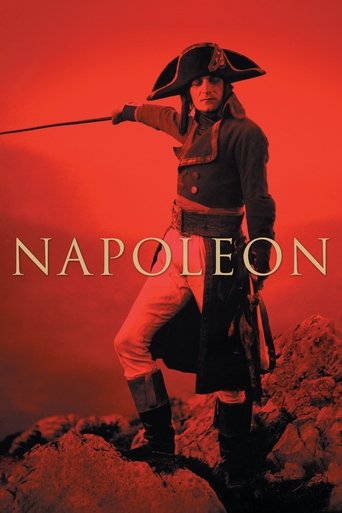
Napoleon
1927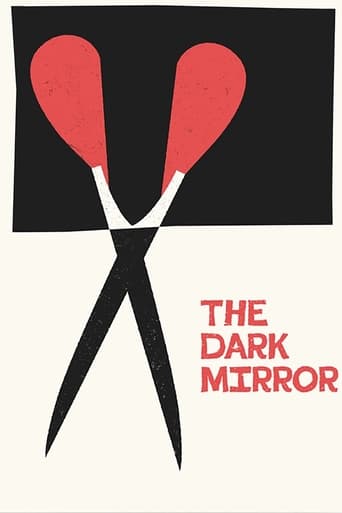
The Dark Mirror
1946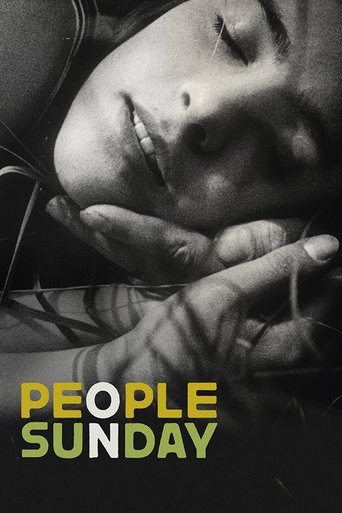
People on Sunday
1930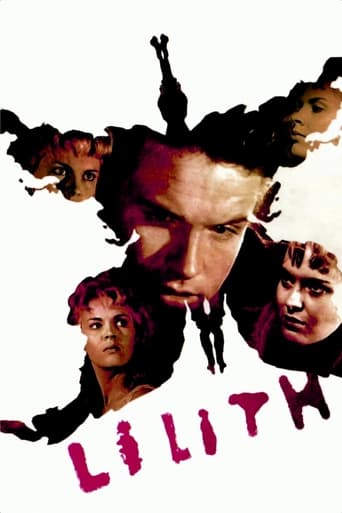
Lilith
1964
It Happened Tomorrow
1944Filmography
TBA
1966
ChappaquaCamera Operator
1966
The Doctor Speaks OutDirector of Photography
1965
Three Rooms in ManhattanDirector of Photography
1964
The Big ScareDirector of Photography
1964
LilithDirector of Photography
1963
The VirginsDirector of Photography
1963
Captain SindbadCinematography
1961
Something WildDirector of Photography
1961
The HustlerDirector of Photography
1960
Eyes Without a FaceDirector of Photography
1960
A CoupleDirector of Photography
1959
The Bloody BroodDirector of Photography
1959
Head Against the WallDirector of Photography
1958
The First NightDirector of Photography
1957
1954
A Parisian in RomeDirector of Photography
1954
UlyssesSpecial Effects
1953
The Venus of TivoliDirector of Photography
1953
The Crimson CurtainDirector of Photography
1953
Mina de VanghelDirector of Photography
1952
The Respectful ProstituteDirector of Photography
1950
Gunman in the StreetsDirector of Photography
1948
Women in the NightSet Decoration, Art Direction, Director of Photography
1946
The Strange WomanProducer